


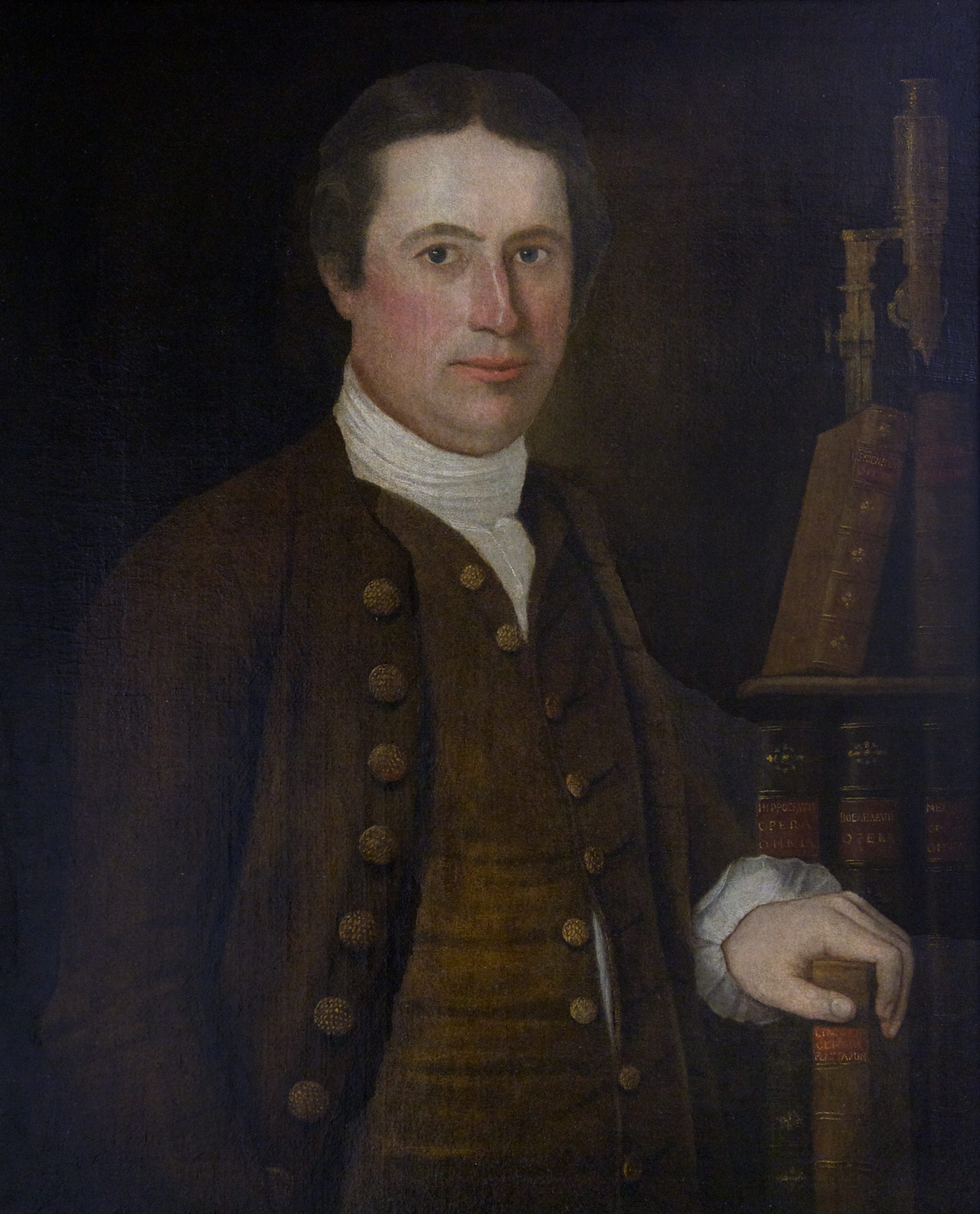
Birth and Early Life: Dr. James Greenway was born in 1720 in Cumberland (or Kent), England, to a modest family of weavers. Records suggest he was baptized in Hadlow, Kent, in October 1716, though some sources list Cumberland as his birthplace. He emigrated to Virginia and was first documented in Sussex County in 1758.
Career and Contributions: Greenway became a prominent figure in Dinwiddie County, Virginia. He was a physician by profession, but his interests and activities extended far beyond medicine. He served as a surveyor for Dinwiddie County (appointed in 1770), a miller, planter, and gentleman justice. His plantation, known as The Grove, became a center of his work and family life. He was also an accomplished botanist and authored Flora Virginica, one of the most comprehensive accounts of Virginia’s plant life in the 18th century. His scientific reputation earned him membership in the American Philosophical Society and correspondence with leading figures, including President Thomas Jefferson. In 1793, he contributed a paper on poisonous plants to the Society’s Transactions.
Public Life and Controversy Beyond his scientific and medical pursuits, Dr. Greenway was an active participant in the civic and legal affairs of Dinwiddie County. Records from 1790 reveal a significant legal confrontation between Greenway and Peterson Goodwyn, Gent., a member of the prominent family that would later intermarry with the Greenways.
Pursuant to a request from the Council of State, the local justices investigated a charge of peculation (the misappropriation of public funds) brought by Dr. Greenway against Goodwyn. After a thorough investigation, the court unanimously ruled in March 1790 that the funds in question were not "designedly retained" and declared Goodwyn innocent. This case highlights Greenway's influence in state-level executive matters and the complex social dynamics of the county's leading families.
This record is particularly noteworthy because Peterson Goodwyn’s family would later be linked to the Greenways through marriage. It also demonstrates the weight Greenway's accusations carried, as the matter required the attention of the Council of State and the Executive before being settled by a full court of local magistrates.
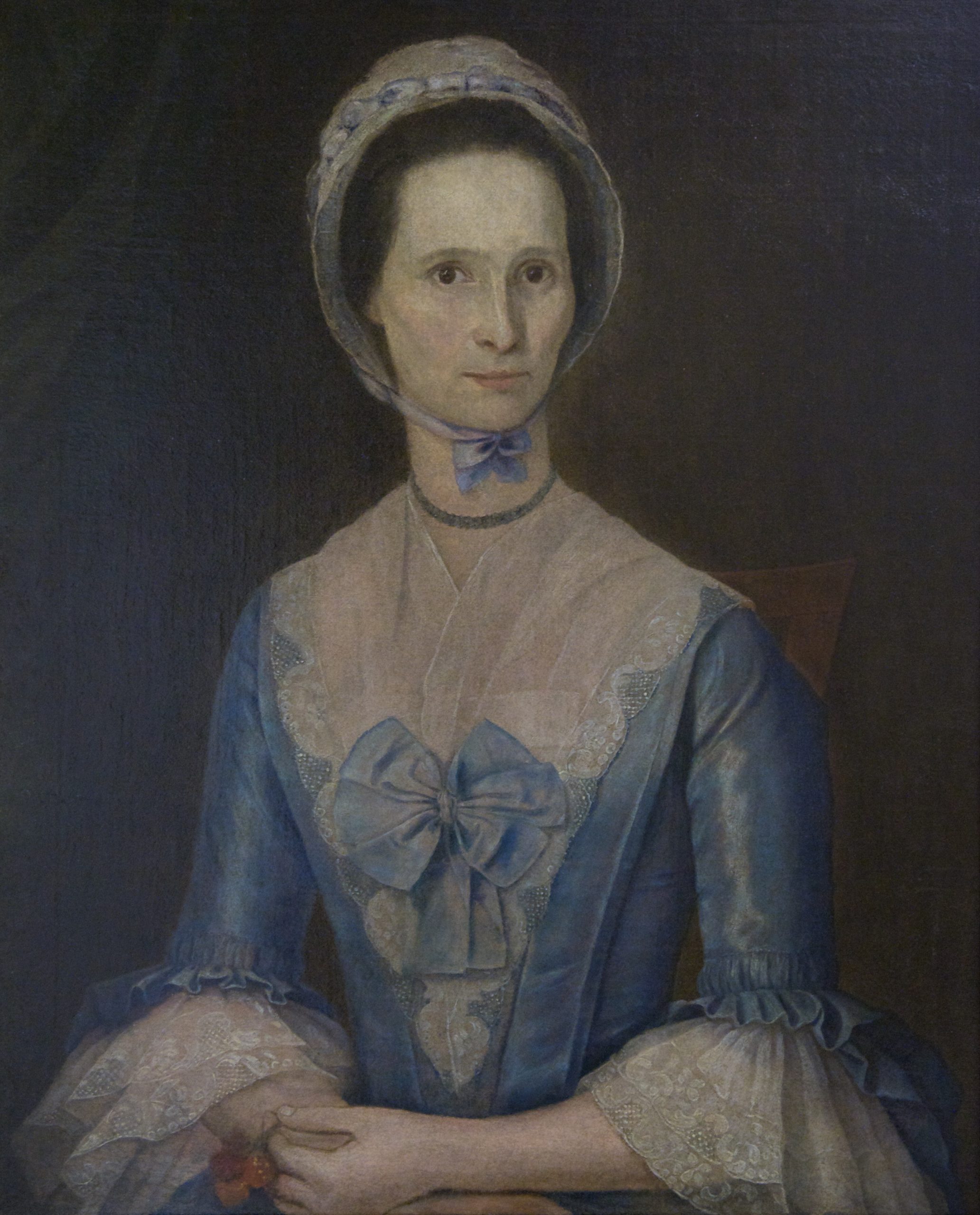
Marriage and Family: Dr. Greenway married Martha Dixon (1727–1810), daughter of Capt. Thomas Dixon and Judith Wingfield of Sussex County, Virginia. Martha was noted for her grace and strength in managing plantation affairs. A portrait of her by John Durand (1770–1780) depicts her in a blue gown with lace fichu, seated with a flower in hand—a testament to her refinement and status.
Later Years and Death: Dr. Greenway lived in considerable style, typical of Dinwiddie’s gentry at the close of the 18th century. He died in 1795 at about age 75 and was buried in the Greenway Cemetery on his plantation. Martha survived him by 15 years, passing away in 1810. Both are interred at Greenway Cemetery in Dinwiddie County.
Legacy: Dr. Greenway is remembered as one of Virginia’s earliest scientific minds and a respected member of the planter class. His descendants continued to hold prominence in Dinwiddie County, intermarrying with families such as the Petersons and Goodwyns. Portraits of James and Martha by John Durand are preserved at the Muscarelle Museum of Art, College of William & Mary.
Disclaimer
Disclaimer: This biographical sketch was prepared by an AI assistant (Microsoft Copilot) at the request of Ed Olsen, Coordinator of the Dinwiddie County USGenWeb site. Ed Olsen has reviewed and verified the content for accuracy and relevance to the site's mission.
Last Updated: January 7, 2026